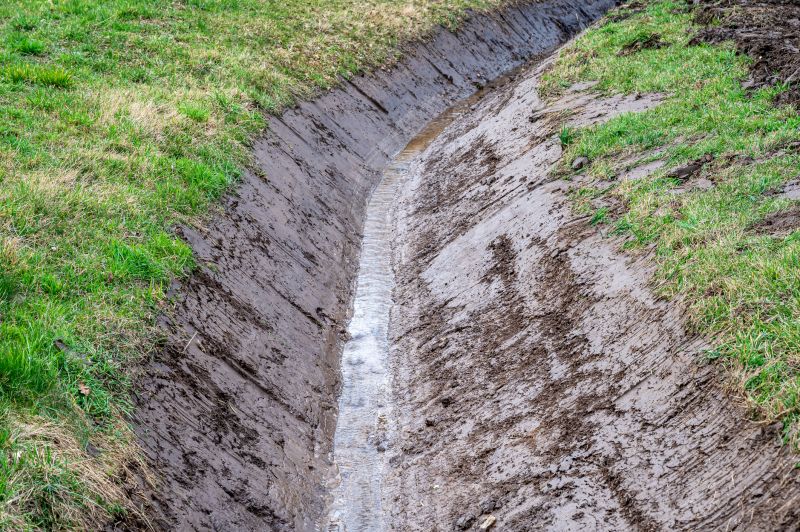
Ditch Repair in Salt Lake City, UT
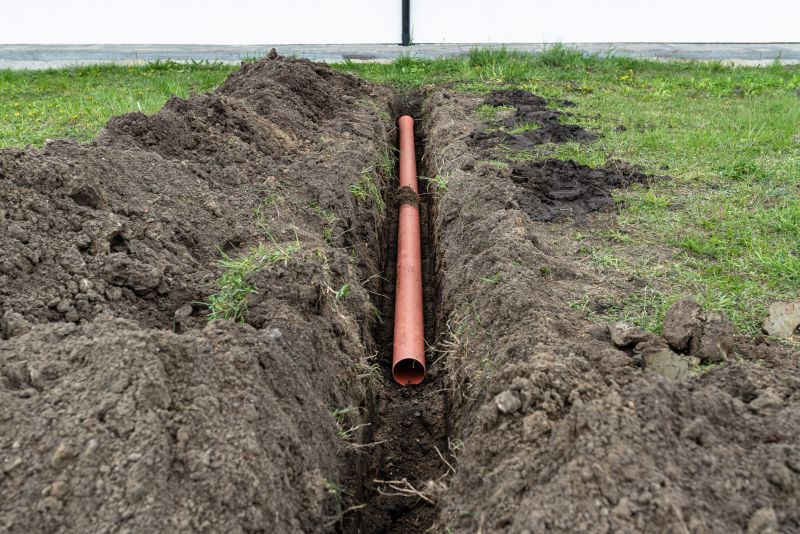
Ditch repair services involve assessing and restoring underground drainage systems to ensure proper water flow and prevent issues such as flooding, erosion, or property damage. These projects typically include fixing broken or collapsed pipes, sealing leaks, replacing damaged sections, and addressing problems caused by tree roots or shifting soil. Property owners often seek ditch repair to maintain effective drainage around their homes, protect landscaping, and avoid costly repairs resulting from water accumulation or erosion.
Before requesting ditch repair, property owners should consider the extent of the damage, the type of piping or drainage system involved, and any underlying causes such as soil movement or root intrusion. Understanding the scope of work needed and the condition of existing infrastructure helps in planning the repair process. It is also helpful to know if permits or inspections are required for the project, especially for larger or more complex repairs that may impact surrounding property or utilities.
Many property owners in Salt Lake City, UT look into Ditch Repair for repairs, replacements, upgrades, and appearance-related improvements.
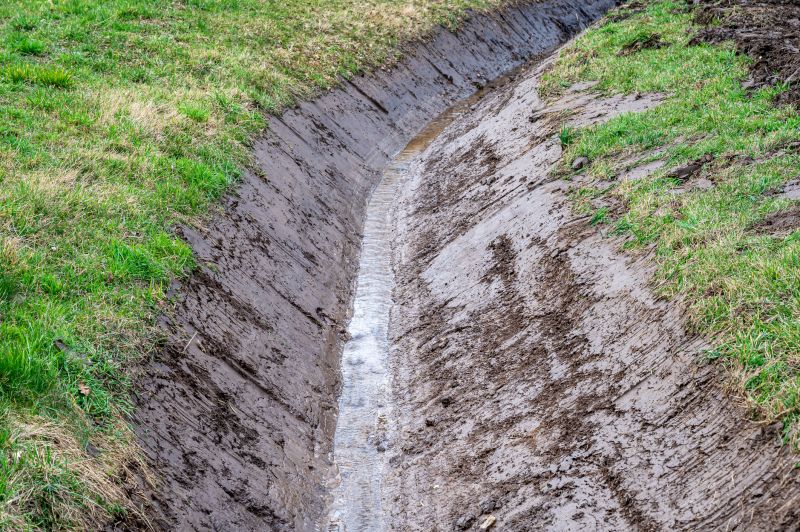
Common Ditch Issues
Ditches may develop cracks, clogs, or collapses that affect drainage and property safety.
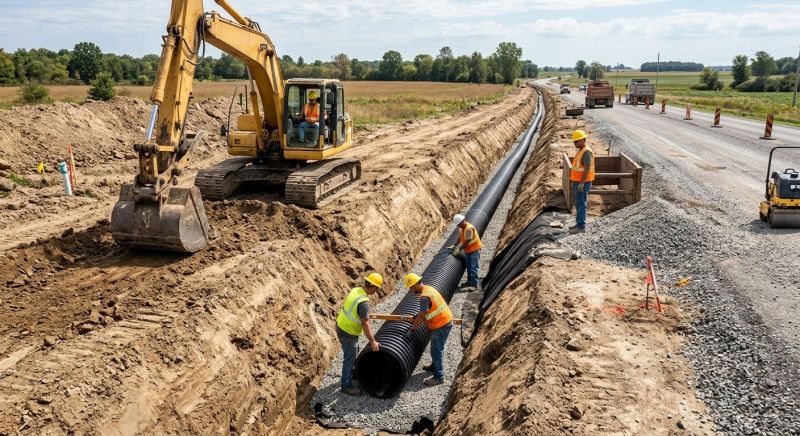
Repair Techniques
Restoration methods include patching, lining, or replacing damaged sections to restore proper flow.
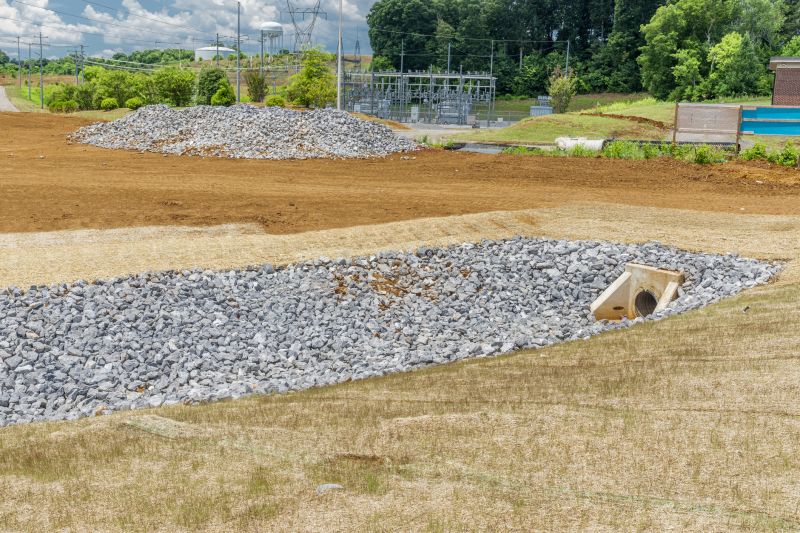
Maintenance Tips
Regular inspections and timely repairs help prevent costly damages and ensure efficient drainage in salt lake city, ut.
Ditch Repair in Salt Lake City, UT

Ditch repair services involve assessing and restoring underground drainage systems to ensure proper water flow and prevent issues such as flooding, erosion, or property damage. These projects typically include fixing broken or collapsed pipes, sealing leaks, replacing damaged sections, and addressing problems caused by tree roots or shifting soil. Property owners often seek ditch repair to maintain effective drainage around their homes, protect landscaping, and avoid costly repairs resulting from water accumulation or erosion.
Before requesting ditch repair, property owners should consider the extent of the damage, the type of piping or drainage system involved, and any underlying causes such as soil movement or root intrusion. Understanding the scope of work needed and the condition of existing infrastructure helps in planning the repair process. It is also helpful to know if permits or inspections are required for the project, especially for larger or more complex repairs that may impact surrounding property or utilities.
Many property owners in Salt Lake City, UT look into Ditch Repair for repairs, replacements, upgrades, and appearance-related improvements.
Common Ditch Repair Jobs
Drain line repairs - restoring proper flow by fixing or replacing damaged pipes.
Pipe patching - sealing small cracks and leaks to prevent further deterioration.
Root intrusion removal - clearing out tree roots that obstruct or damage sewer lines.
Trenchless pipe repair - fixing sewer lines with minimal excavation for less disruption.
Burst pipe repair - addressing sudden pipe failures to prevent water damage.
Sewer line replacement - installing new lines when existing pipes are beyond repair.
Ditch Repair Questions
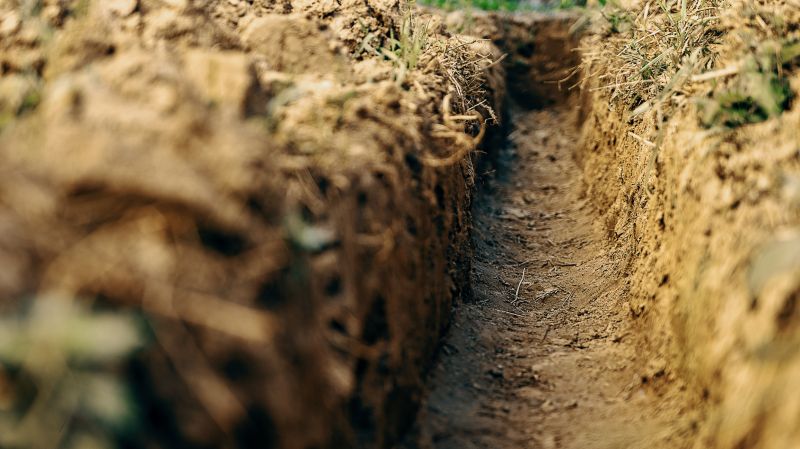
What types of ditch repairs are common? Repairs often address erosion, broken or collapsed sections, and drainage blockages to restore proper flow and stability.
How can I tell if my ditch needs repair? Signs include standing water, erosion, or visible damage along the ditch bank that affects drainage or property safety.
What materials are used in ditch repair? Common materials include soil, gravel, and lining materials like fabric or concrete, chosen based on the ditch's purpose and location.
Is ditch repair suitable for all property types? Ditch repair services can be adapted to various property sizes and types, including residential, commercial, and agricultural sites.
Request Ditch Repair in Salt Lake City, UT
Use the quote form on this page to share the basics of your project and request more information for the type of work you need.